 Address:

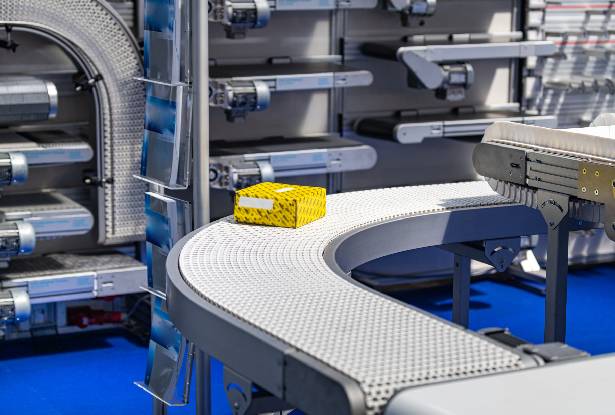

Choosing the right belt conveyor manufacturer requires evaluating engineering expertise, system quality, automation capabilities, and long-term support. A structured checklist helps industrial buyers select a conveyor solution that improves efficiency, reliability, and long-term operational performance.
Understanding Your Material Handling Requirements
Selecting the right belt conveyor manufacturer begins with understanding your own operational needs. Every industrial facility has unique material handling requirements based on product type, load capacity, production volume, and workflow.
Before comparing manufacturers, buyers should define factors such as material characteristics, conveyor length, operating speed, production throughput, facility layout, and future expansion plans.
A clear understanding of these requirements helps ensure that the selected conveyor system is designed for the intended application rather than being a standard off-the-shelf solution.
Evaluating Engineering Expertise
A reliable belt conveyor manufacturer should have strong engineering capabilities that go beyond equipment fabrication. The manufacturer should assess parameters such as load distribution, conveyor routing, product dimensions, production takt time, and interfacing requirements with surrounding equipment.
An engineering-driven approach ensures that the conveyor system supports efficient material movement while minimizing bottlenecks within production or warehouse operations.
Assessing Industry Experience
Experience across multiple industries demonstrates a manufacturer’s ability to design solutions for different operating environments. Buyers should evaluate whether the belt conveyor manufacturer has supplied systems for industries such as automotive, warehousing, logistics, tire manufacturing, packaging, food processing, or heavy engineering.
Application-specific knowledge enables manufacturers to recommend conveyor configurations that align with operational requirements and industry best practices.
Reviewing System Quality and Component Selection
The long-term reliability of a conveyor system depends on the quality of its components. Buyers should review the structural design, belt quality, rollers, bearings, drive assemblies, motors, and supporting framework used by the manufacturer.
A dependable belt conveyor manufacturer selects durable materials and proven components that reduce maintenance requirements while supporting continuous industrial operation.
High-quality construction also contributes to improved system life, reduced downtime, and lower lifecycle costs.
Verifying Automation and Integration Capabilities
Modern manufacturing facilities depend on seamless coordination between conveyors, robotic cells, packaging equipment, inspection stations, automated storage systems, and warehouse management software.
An experienced belt conveyor manufacturer should be capable of integrating conveyor systems with PLCs, sensors, barcode scanners, and other automated equipment.
Proper interfacing improves production flow, supports takt time requirements, enhances tracking capabilities, and increases overall operational efficiency across the facility.
Evaluating Traffic Management and Layout Planning
Efficient material flow requires more than installing conveyors. Buyers should assess how the manufacturer approaches conveyor routing and facility layout planning.
A well-designed system minimizes unnecessary transfer points, reduces congestion, and supports smooth traffic management between receiving, production, storage, and dispatch areas.
Proper layout planning improves throughput, reduces handling delays, and creates a more organized operational environment.
Checking Installation and After-Sales Support
Installation quality directly affects conveyor performance and reliability. Buyers should confirm whether the belt conveyor manufacturer provides installation supervision, commissioning, load testing, operator training, and technical documentation.
Long-term support is equally important. Access to spare parts, preventive maintenance services, troubleshooting assistance, and system upgrades helps ensure reliable operation throughout the equipment lifecycle.
Considering Future Scalability
Production requirements often change over time. Businesses should select a belt conveyor manufacturer capable of designing systems that allow future expansion without major modifications.
Flexible conveyor layouts, modular designs, and upgrade-ready control systems help organizations accommodate increasing production volumes while protecting their investment.
A scalable conveyor solution ensures that the system continues to support operational growth and changing business requirements.
Conclusion
Selecting the right belt conveyor manufacturer requires evaluating engineering expertise, product quality, automation capabilities, industry experience, scalability, and long-term support rather than focusing only on initial cost.
By following a structured evaluation checklist, industrial buyers can invest in conveyor systems that improve material handling efficiency, support reliable operations, reduce downtime, and deliver long-term value across manufacturing and warehouse environments.


Leave a Reply