 Address:

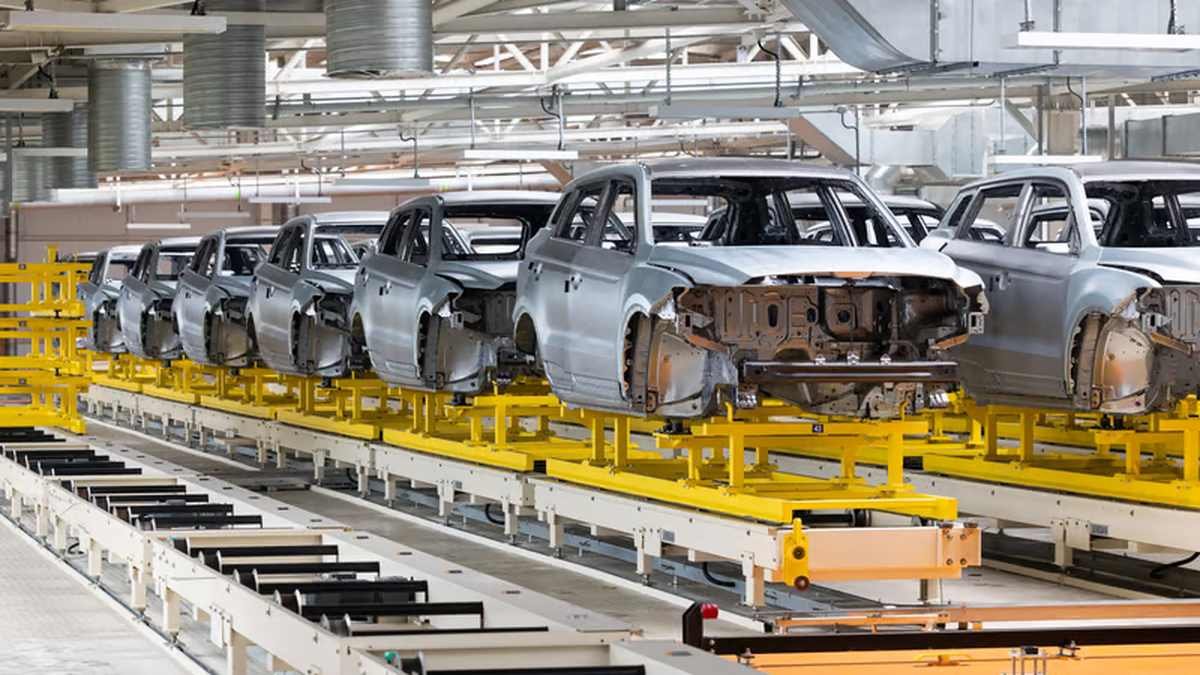
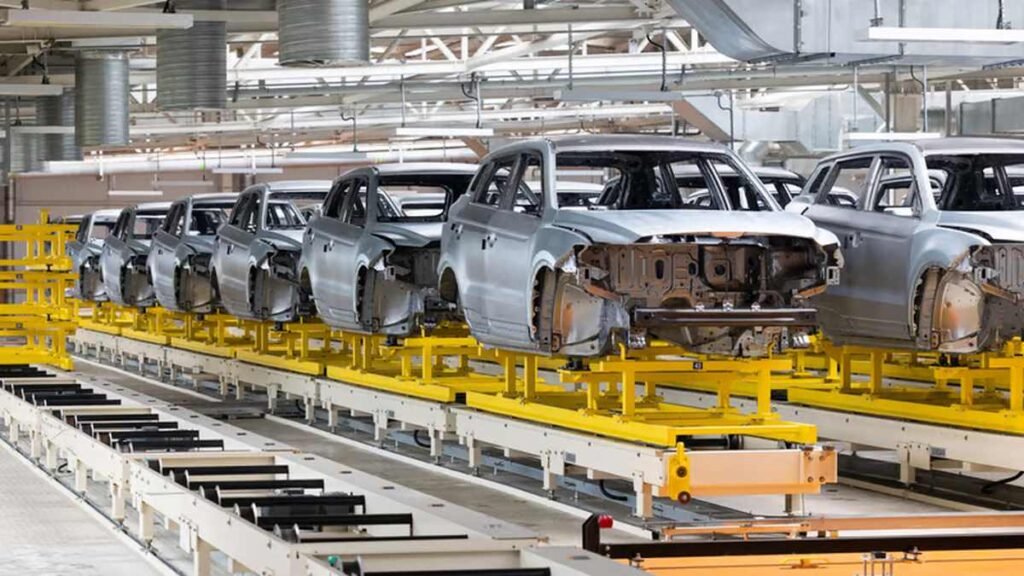
A friction conveyor system uses friction-driven technology to move and control individual carriers through manufacturing processes. Its flexible movement, accumulation capability, and automation compatibility make it suitable for automotive, tire, and other high-volume industrial applications.
Friction Conveyor System at a Glance
A friction conveyor system is designed for applications where manufacturers need greater control over how products or carriers move between production stages. Rather than depending on a continuously driven chain, friction drive units transfer motion to individual carriers along the conveyor track.
This enables each carrier to be stopped, accumulated, accelerated, or released based on production requirements. The result is a material handling system that can adapt more effectively to changing process times and workstation conditions.
What Makes Friction-Based Movement Different?
The key difference lies in how movement is generated and controlled. In a friction conveyor, drive wheels make contact with the carrier to propel it forward. Multiple drive zones can operate independently, giving manufacturers greater control over different sections of the production line.
Sensors detect carrier positions while PLC-based controls determine when carriers should move or stop. This creates controlled product movement without requiring the entire conveyor line to stop when one workstation experiences a temporary delay.
From One Process to the Next: How Material Moves
Consider an automotive component moving through a sequence of assembly operations. The carrier enters the first workstation, stops while the required task is completed, and then moves to the next process.
If the next workstation is occupied, the carrier can wait in a designated accumulation area. Once the station becomes available, the control system releases it automatically.
This approach helps a friction conveyor system maintain takt time while reducing unnecessary interruptions between processes. Buffer areas can also prevent a short delay at one station from immediately affecting the complete production line.
Where Does a Friction Conveyor Fit Best?
Friction conveyor technology is particularly useful where products are large, production sequences are complex, or different processes require different amounts of time.
In automotive manufacturing, the system can support vehicle body movement, assembly operations, inspection areas, and other production stages. Tire manufacturing and heavy engineering facilities can also use friction-driven systems for controlled movement between processing and assembly zones.
The suitability of the system depends on factors such as load characteristics, production volume, facility layout, takt time, process sequence, and the equipment already installed within the facility.
Friction Conveyor vs. Conventional Continuous Movement
A conventional conveyor generally focuses on maintaining continuous material movement. A friction conveyor, however, provides greater flexibility when individual loads need to behave differently within the same production process.
For example, one carrier may need to stop for inspection while another continues toward an assembly station. Another carrier may need to wait in a buffer zone before entering the next process.
This independent control makes friction-based technology particularly relevant for automated production environments where synchronized yet flexible material movement is required.
Connecting the Conveyor with the Wider Production Line
A modern conveyor cannot operate as an isolated piece of equipment. It needs to interface with robotic cells, lifts, transfer units, inspection equipment, assembly stations, and production control systems.
A properly engineered friction conveyor system can use PLCs, sensors, identification technologies, and control logic to exchange information with connected equipment. This allows carrier movement to respond automatically to workstation status and production conditions.
Effective interfacing also improves traffic management by controlling when carriers enter, leave, or wait within different sections of the production line.
What Should Manufacturers Consider Before Installation?
Selecting a friction conveyor requires more than determining conveyor length and load capacity. The complete production process should be evaluated before system design begins.
Important considerations include the product or carrier weight, required throughput, takt time, accumulation requirements, available space, traffic flow, safety requirements, and integration with existing equipment. Maintenance accessibility and future production changes should also be considered during the engineering stage.
A system designed around these factors can provide more reliable material movement while supporting long-term manufacturing requirements.
Frequently Asked Questions
What is the main purpose of a friction conveyor system?
Its primary purpose is to provide controlled and flexible movement of individual carriers between different manufacturing processes while supporting accumulation and automated routing.
Can a friction conveyor support automated production lines?
Yes. A friction conveyor can interface with PLCs, sensors, robots, lifts, and other automated equipment to coordinate carrier movement with production operations.
Which industries commonly use friction conveyors?
They are particularly relevant to automotive manufacturing, tire manufacturing, heavy engineering, and other industrial operations requiring controlled movement of large products or carriers.
How does a friction conveyor help manage production traffic?
Individual carriers can be stopped or accumulated in designated zones until downstream equipment or workstations become available, helping prevent congestion and maintain organized material flow.
Conclusion
A friction conveyor system combines controlled carrier movement with the flexibility required in modern automated manufacturing. By supporting accumulation, takt time, equipment interfacing, and effective traffic management, it can help create a more coordinated production environment.
For facilities handling complex assembly sequences or varying process times, a properly engineered friction conveyor provides an effective foundation for reliable and efficient material movement.


Leave a Reply