

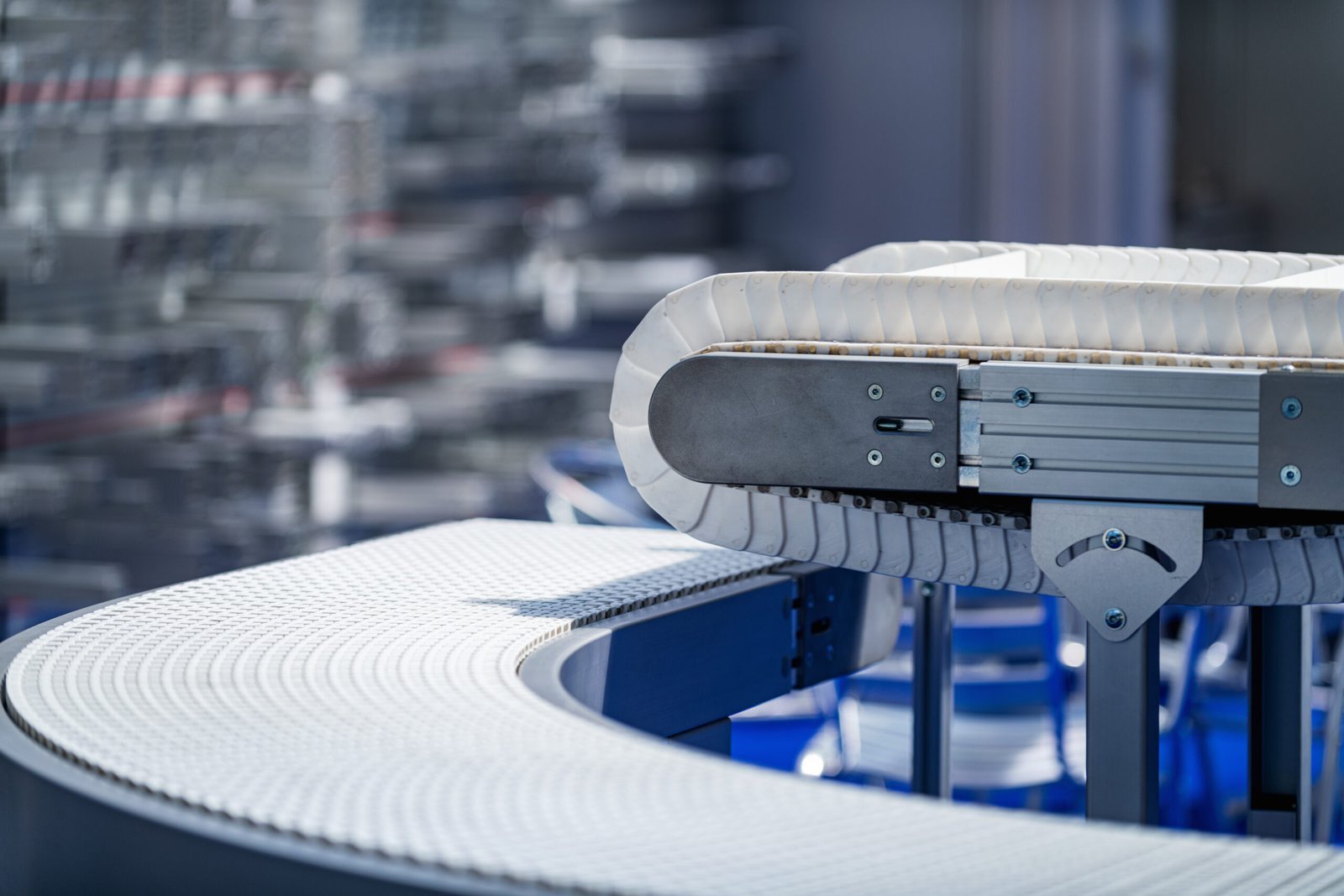
A conveyor manufacturer improves energy efficiency by designing systems that optimize material flow, reduce power consumption, and integrate energy-efficient components. Modern conveyor solutions help industries lower operating costs while maintaining reliable, high-throughput material handling.
Engineering Conveyor Systems for Energy-Efficient Operations
As industries strive to reduce operating costs and improve sustainability, energy efficiency has become a key consideration in material handling system design. Conveyor systems operate continuously in manufacturing plants, warehouses, distribution centers, and processing facilities, making their energy performance a significant factor in overall operational efficiency.
A reliable conveyor manufacturer focuses on designing systems that optimize power consumption while maintaining consistent material flow and production reliability.
Rather than simply transporting materials, modern conveyor systems are engineered to minimize unnecessary energy usage through optimized layouts, efficient drive systems, and intelligent control strategies. This engineering approach enables businesses to achieve higher productivity with lower operating costs.
Optimizing Conveyor Layouts for Reduced Energy Consumption
Energy efficiency begins with proper system design. An experienced conveyor manufacturer evaluates material flow patterns, load characteristics, conveyor lengths, facility layout, and production requirements before finalizing the conveyor configuration.
Efficient layouts minimize unnecessary transfer points, reduce idle conveyor sections, and optimize travel distances. Proper routing also improves traffic management within the facility, ensuring smooth movement of materials between production, storage, and dispatch areas.
By reducing unnecessary material movement, conveyor systems consume less energy while maintaining high operational efficiency.
Using High-Efficiency Drive Systems
The drive system is one of the largest contributors to conveyor energy consumption. Modern conveyor manufacturers use high-efficiency motors, gearboxes, and variable frequency drives (VFDs) to optimize power usage during operation.
Variable frequency drives allow conveyor speeds to adjust according to production demand rather than operating continuously at full capacity. This reduces energy consumption during low-load conditions while extending equipment life and reducing mechanical wear.
Selecting properly sized motors also prevents excessive power consumption and ensures efficient operation throughout the system’s lifecycle.
Supporting Seamless Integration with Automated Equipment
Modern material handling facilities rely on multiple interconnected systems such as robotic workstations, palletizers, automated storage systems, inspection equipment, and packaging lines.
A professional conveyor manufacturer designs conveyor systems that interface seamlessly with these automated processes.
Integrated control systems synchronize conveyor operation with upstream and downstream equipment, eliminating unnecessary conveyor running time and reducing idle energy consumption.
Coordinated automation also helps maintain production takt time while improving overall equipment utilization.
Reducing Downtime Through Reliable System Design
Equipment failures and unexpected stoppages often increase operational costs and waste energy. Reliable conveyor design helps minimize these inefficiencies by reducing maintenance requirements and ensuring consistent operation.
A quality-focused conveyor manufacturer selects durable structural components, precision rollers, efficient bearings, and reliable drive assemblies that support continuous operation.
Proper engineering reduces friction, mechanical resistance, and unnecessary power losses throughout the conveyor system.
Improving Load Handling Efficiency
Conveyor systems consume energy based on the loads they transport and the efficiency of their movement. Poor load distribution, inconsistent product spacing, or overloaded conveyor sections can increase energy demand and reduce system performance.
An experienced conveyor manufacturer designs systems that support balanced load distribution and controlled product movement.
Proper handling minimizes energy waste while ensuring stable throughput across production and warehouse operations.
Supporting Sustainable Manufacturing Goals
Many industries are adopting sustainability initiatives aimed at reducing energy consumption and carbon emissions. Energy-efficient conveyor systems contribute directly to these objectives by lowering electricity usage without compromising operational performance.
Modern conveyor solutions can also be integrated with energy monitoring systems that provide real-time visibility into power consumption.
This allows facilities to identify optimization opportunities and continuously improve operational efficiency.
Conclusion
A professional conveyor manufacturer plays a vital role in improving energy efficiency through optimized system design, high-efficiency drive technologies, intelligent automation integration, and reliable material handling solutions.
By reducing power consumption, improving load management, minimizing downtime, and supporting sustainable operations, modern conveyor systems help industries achieve greater productivity while lowering operational costs and environmental impact.


Leave a Reply