 Address:

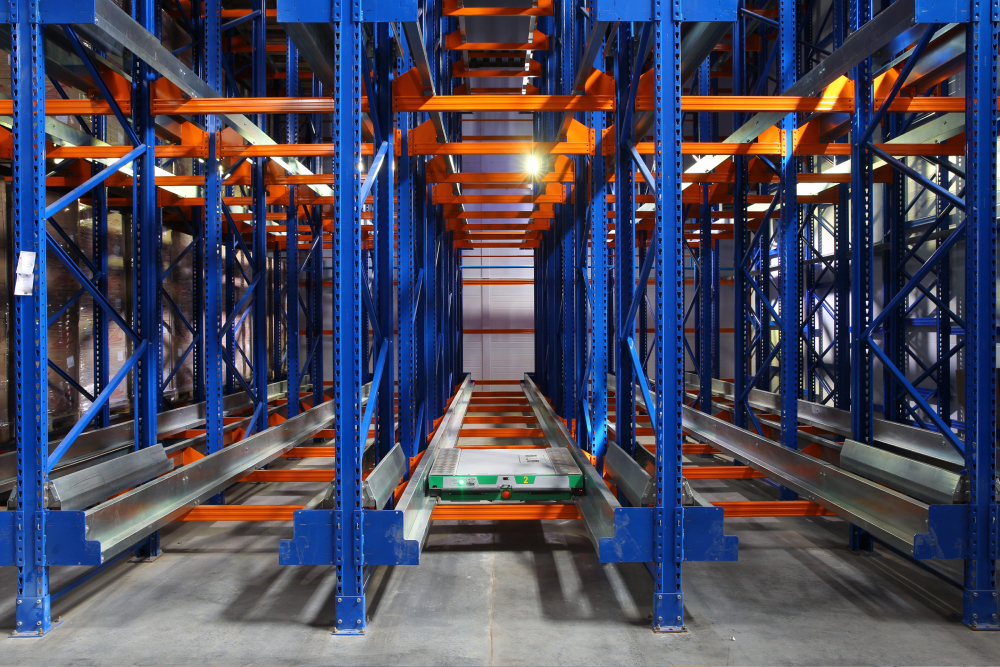

Modern warehouses and manufacturing facilities are under constant pressure to improve efficiency while controlling operational expenses. As inventory volumes increase and order fulfillment expectations become more demanding, businesses are adopting automation technologies that optimize storage and material movement. Among the most effective solutions are ASRS systems, which help organizations reduce labor dependency, improve inventory accuracy, and maximize storage utilization.
An automated storage and retrieval system uses automated equipment, software controls, and organized storage structures to store and retrieve materials with minimal manual intervention. These systems are widely used across industries such as automotive manufacturing, warehousing, logistics, pharmaceuticals, retail distribution, and e-commerce operations.
By streamlining warehouse processes and reducing inefficiencies, an automated storage retrieval system helps businesses lower long-term operational costs while improving overall productivity.
Improving Warehouse Efficiency Through Automation
Automation has become a key strategy for improving warehouse performance and reducing unnecessary operational expenses. ASRS systems enable businesses to optimize storage processes, improve workflow coordination, and create a more structured material handling environment.
By integrating automated equipment with intelligent control systems, these solutions help warehouses achieve higher efficiency, better resource utilization, and improved operational consistency.
Reducing Labor Costs Through Automation
One of the primary ways ASRS systems reduce operational costs is by minimizing manual material handling activities. Traditional warehouse operations often require large workforces for picking, storing, transporting, and retrieving products. Manual operations not only increase labor expenses but also create variability in operational performance.
An ASRS storage system automates these repetitive processes, reducing the number of personnel required for day-to-day warehouse activities. Automated cranes, shuttles, lifts, and retrieval mechanisms move materials quickly and accurately without constant operator involvement.
By reducing manual handling requirements, businesses can lower labor costs while improving consistency across warehouse operations.
Maximizing Storage Density and Space Utilization
Warehouse space represents a major operational expense, especially in large distribution and manufacturing facilities. Traditional storage methods often leave unused vertical space and require wide aisles for forklift movement.
An automated storage and retrieval system is designed to maximize storage density by utilizing vertical height efficiently and minimizing aisle requirements. High-density storage layouts allow businesses to store more inventory within the same footprint, reducing the need for facility expansion or additional warehouse space.
Improved space utilization helps organizations optimize infrastructure investments while lowering long-term storage costs.
Improving Inventory Accuracy and Reducing Errors
Inventory inaccuracies can lead to misplaced products, delayed shipments, production interruptions, and increased operational expenses. Manual handling processes often increase the risk of human error during picking and storage activities.
ASRS systems use automated controls, tracking software, barcode integration, and inventory management systems to ensure accurate product storage and retrieval. This reduces picking errors, minimizes inventory discrepancies, and improves overall warehouse visibility.
Higher inventory accuracy helps reduce rework, product loss, and operational inefficiencies that can increase costs over time.
Supporting Faster Order Processing and Throughput
In high-volume warehouse environments, delays in product retrieval and movement can reduce operational efficiency and increase handling costs. An automated storage retrieval system improves throughput by accelerating material movement between storage locations, picking stations, and dispatch areas.
Goods-to-person functionality reduces operator travel time and improves order processing speed. Faster throughput allows businesses to handle larger order volumes without proportionally increasing labor or infrastructure costs.
This operational efficiency becomes especially important in industries with high order frequency and tight delivery timelines.
Reducing Equipment and Maintenance Costs
Traditional warehouses often rely heavily on forklifts and manual transport equipment for inventory movement. Continuous use of such equipment increases fuel consumption, maintenance expenses, and operational wear.
An ASRS storage system reduces dependence on manual transport equipment by automating internal material movement. Fewer forklifts and handling vehicles result in lower maintenance costs, reduced equipment downtime, and improved operational safety.
Automated systems are also designed for controlled movement, which helps reduce product damage caused by improper handling.
Enhancing Operational Safety
Workplace injuries and material handling accidents can lead to operational disruptions and increased costs. Manual lifting, repetitive movement, and forklift traffic create safety risks within warehouse environments.
An automated storage and retrieval system minimizes direct human interaction with stored materials, reducing workplace hazards associated with manual handling activities. Controlled automation also improves traffic management within the facility and creates safer working conditions for operators.
Improved safety contributes to reduced downtime, lower compensation-related costs, and more stable warehouse operations.
Conclusion
ASRS systems play a significant role in reducing operational costs by improving storage efficiency, minimizing labor dependency, increasing inventory accuracy, enhancing safety, and supporting faster throughput.
By automating material storage and retrieval processes, an automated storage retrieval system enables businesses to optimize warehouse performance while maintaining long-term operational reliability.
As industries continue to prioritize efficiency and scalability, investing in an advanced ASRS storage system provides organizations with a strong foundation for cost-effective, flexible, and future-ready warehouse operations.


Leave a Reply