 Address:

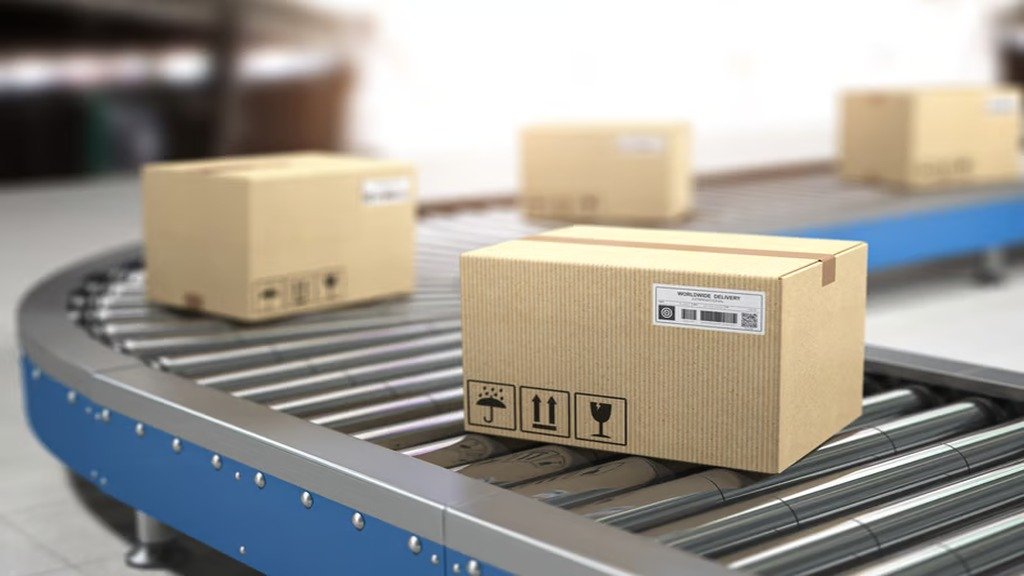
Logistics conveyor systems help businesses reduce material handling costs by automating product movement, improving throughput, and minimizing manual labor. When integrated with automated warehouse conveyor systems, they enhance efficiency, inventory accuracy, and overall warehouse productivity.
Improving Material Flow Through Automation
Material handling is one of the largest operational expenses in manufacturing facilities, warehouses, and distribution centers. Moving products manually between receiving, storage, picking, packing, and dispatch areas requires significant labor, equipment, and time. As businesses strive to improve efficiency while controlling operating costs, logistics conveyor systems have become an essential part of modern material handling operations.
Designed to automate product movement across facilities, logistics conveyor systems help streamline workflows, reduce manual intervention, and improve operational consistency. When integrated with automated warehouse conveyor systems, businesses can further optimize storage, retrieval, and order fulfillment while lowering long-term operational costs.
Reducing Manual Labor Requirements
Manual transportation of materials often involves forklifts, pallet trucks, and significant workforce involvement. These activities not only increase labor expenses but also create inconsistencies in material flow and productivity.
Logistics conveyor systems automate the movement of cartons, pallets, totes, and finished products between operational zones. This reduces the need for manual transportation, allowing employees to focus on higher-value tasks such as quality inspections, order verification, and inventory management.
Similarly, automated warehouse conveyor systems minimize repetitive handling activities by transporting products automatically between storage locations, picking stations, and packing areas. This reduction in manual effort directly lowers labor costs while improving operational efficiency.
Increasing Throughput and Operational Efficiency
Efficient material movement is essential for maintaining productivity in high-volume warehouses and distribution centers. Delays in transferring products between workstations can slow down order processing and increase operational expenses.
Logistics conveyor systems maintain a continuous flow of materials throughout the facility, reducing waiting times and eliminating unnecessary product handling. By ensuring that materials reach the right location at the right time, conveyor systems improve throughput without requiring additional manpower.
When integrated with automated warehouse conveyor systems, inventory can move seamlessly between storage, retrieval, sorting, and dispatch operations, enabling businesses to process higher order volumes with greater efficiency.
Optimizing Warehouse Space Utilization
Warehouse expansion often involves significant capital investment. Efficient use of existing space can help businesses delay or avoid these additional costs.
Automated warehouse conveyor systems are designed to work alongside automated storage solutions, vertical storage systems, and high-density warehouse layouts. By optimizing storage capacity and improving product accessibility, they maximize the use of available warehouse space.
At the same time, logistics conveyor systems reduce unnecessary travel paths and create organized material flow between operational areas, supporting better warehouse utilization and smoother workflows.
Supporting Seamless Equipment Integration
Modern warehouses rely on multiple automation technologies, including barcode scanners, sortation systems, robotic workstations, warehouse management systems (WMS), and automated storage solutions.
A key advantage of logistics conveyor systems is their ability to interface seamlessly with these technologies. Integration enables real-time product tracking, synchronized material movement, and improved workflow coordination.
Automated warehouse conveyor systems further strengthen this ecosystem by connecting storage and retrieval operations with downstream processes, reducing delays and improving inventory visibility throughout the facility.
Improving Traffic Management and Workplace Safety
Forklift traffic and manual material handling increase the risk of workplace accidents and operational disruptions. Congested transport routes can also reduce productivity and increase equipment maintenance costs.
Logistics conveyor systems create structured material flow by establishing dedicated transport paths for products. This reduces vehicle movement, minimizes congestion, and improves overall traffic management within the warehouse.
By reducing manual handling activities, automated warehouse conveyor systems also contribute to safer working conditions while supporting more predictable and efficient operations.
Lowering Equipment Maintenance Costs
Traditional material handling operations depend heavily on forklifts and transport vehicles that require regular maintenance, fuel, and replacement parts.
Logistics conveyor systems reduce dependence on mobile equipment by automating internal product movement. Fewer transport vehicles translate into lower maintenance costs, reduced equipment downtime, and improved operational reliability.
This allows businesses to allocate maintenance resources more effectively while extending the lifespan of essential material handling equipment.
Conclusion
Logistics conveyor systems play a crucial role in reducing material handling costs by automating product movement, improving throughput, optimizing warehouse layouts, and minimizing labor dependency. When combined with automated warehouse conveyor systems, businesses gain additional advantages through improved inventory flow, seamless automation integration, enhanced safety, and greater operational efficiency.
For organizations seeking to improve warehouse performance while controlling operating expenses, investing in integrated logistics conveyor systems and automated warehouse conveyor systems provides a scalable, cost-effective foundation for long-term material handling success.


Leave a Reply