 Address:

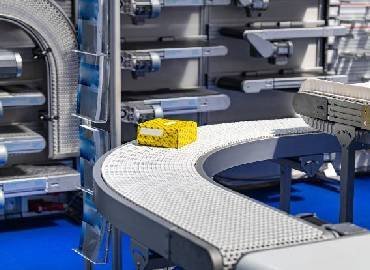
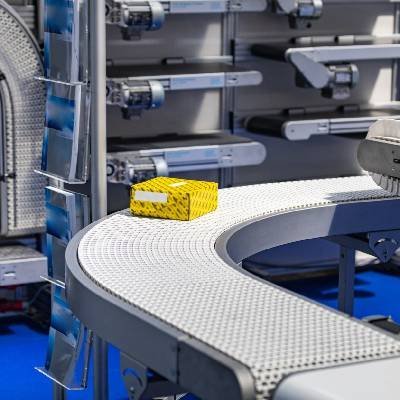
Selecting the right belt conveyor manufacturer requires more than comparing basic specifications or pricing. Conveyor systems directly influence production efficiency, material flow consistency, and long-term operational reliability. Businesses should begin by evaluating the manufacturer’s engineering capabilities and understanding of application-specific requirements.
An experienced manufacturer studies parameters such as load characteristics, conveyor length, facility layout, interfacing requirements with other equipment, and takt time expectations before proposing solutions. This engineering-led approach ensures that the conveyor system supports stable and efficient material movement across operations.
Evaluating Engineering Capabilities and System Understanding
A manufacturer’s engineering expertise is one of the most important factors to assess. Beyond supplying equipment, experienced manufacturers analyze production processes, operational constraints, and workflow requirements to develop customized conveyor solutions.
This detailed evaluation helps ensure the conveyor system is optimized for performance, reliability, and long-term operational efficiency while minimizing bottlenecks and downtime.
Assessing Industry Experience and Application Expertise
Industry exposure plays an important role when comparing multiple belt conveyor manufacturers. Manufacturers that have delivered systems for sectors such as automotive, tire manufacturing, warehousing, packaging, and assembly operations typically understand complex workflow requirements more effectively.
Application-specific experience allows manufacturers to recommend suitable configurations, routing strategies, and structural designs that align with operational needs. This results in conveyor systems that integrate smoothly into existing production environments.
Reviewing Integration and Interfacing Capabilities
Modern production and logistics environments depend on seamless coordination between multiple machines such as robotic cells, inspection stations, palletizers, and packaging systems. Conveyor systems must function as the connecting infrastructure between these processes.
When comparing manufacturers, it is important to evaluate their ability to design systems that interface effectively with surrounding equipment. Strong integration capability helps maintain continuous product movement and prevents operational bottlenecks within production lines.
Understanding Traffic Management and Layout Planning
Efficient traffic management within a facility is essential for maintaining consistent throughput. Poorly planned conveyor routing can create congestion, increase handling delays, and disrupt production flow.
Reliable belt conveyor manufacturers develop layouts that support structured product movement between receiving zones, storage areas, processing stations, and dispatch points. Proper routing strategies ensure smoother internal logistics and improved operational coordination across departments.
Evaluating Build Quality and System Reliability
Conveyor systems operate continuously in demanding industrial environments, making durability a critical evaluation factor. Businesses should review material selection, drive system configuration, structural strength, and component quality while comparing manufacturers.
Manufacturers that prioritize robust engineering and high-quality components typically deliver systems with longer service life, reduced maintenance requirements, and consistent operational performance over extended periods.
Comparing Installation Support and After-Sales Service
Installation and commissioning support are equally important when selecting a belt conveyor manufacturer. Proper alignment, system calibration, and performance verification ensure that the conveyor functions efficiently from the beginning of operations.
Long-term service support also plays a major role in maintaining performance reliability. Access to spare parts, technical assistance, preventive maintenance, and upgrade guidance ensures that the system continues to meet evolving production requirements over time.
Considering Scalability and Future Expansion Requirements
As production volumes increase, facilities often require expansion of their material handling infrastructure. Businesses should evaluate whether manufacturers design conveyor systems that allow future extensions, additional transfer points, or layout modifications.
Scalable system design enables organizations to increase throughput capacity without disrupting existing workflows, making it an important factor during manufacturer comparison.
Conclusion
Comparing multiple belt conveyor manufacturers effectively involves evaluating engineering expertise, industry experience, integration capabilities, layout planning, build quality, installation support, scalability, and long-term service. A structured comparison process helps organizations select a manufacturer capable of delivering reliable conveyor systems that improve operational efficiency, maintain consistent material flow, and support long-term business growth.


Leave a Reply