 Address:

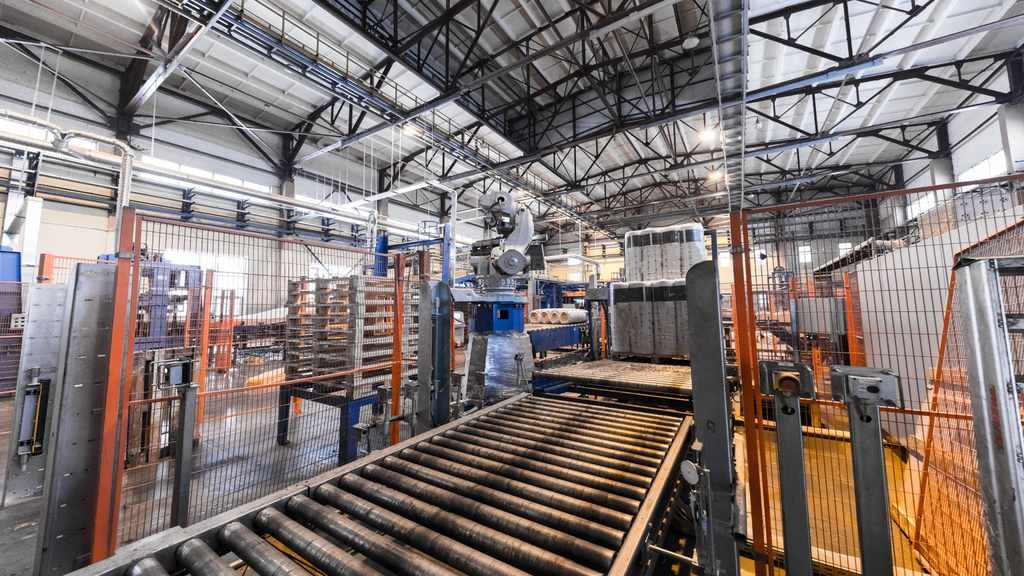
An industrial conveyor manufacturer should offer engineering expertise, durable system design, automation integration, and reliable after-sales support. These features ensure efficient material handling, long-term performance, and scalable solutions for modern industrial operations.
Engineering Expertise and Customized Solutions
Selecting the right industrial conveyor manufacturer is an important decision for businesses that depend on efficient material handling. Conveyor systems directly influence productivity, workflow, and operational reliability across manufacturing plants, warehouses, logistics centers, and processing facilities. Rather than offering standard equipment, an experienced manufacturer should provide customized solutions based on the specific requirements of each facility.
A professional industrial conveyor manufacturer evaluates factors such as product characteristics, load capacity, conveyor length, production throughput, facility layout, and takt time before developing a suitable solution. This engineering-driven approach ensures that the conveyor system supports smooth material flow while minimizing bottlenecks and operational inefficiencies.
High-Quality Components and Robust Construction
The reliability of a conveyor system depends on the quality of its components and structural design. Industrial environments demand equipment capable of operating continuously while handling heavy loads under challenging conditions.
A dependable industrial conveyor manufacturer uses durable structural frames, high-quality belts, rollers, bearings, motors, and drive systems that are designed for long service life. Well-engineered systems reduce maintenance requirements, minimize downtime, and provide consistent performance throughout the equipment lifecycle.
Seamless Automation Integration
Modern production facilities rely on automated operations where multiple machines work together as part of a connected manufacturing process. Conveyor systems must integrate seamlessly with robotic workstations, packaging machines, inspection systems, automated storage solutions, and warehouse management systems.
An experienced industrial conveyor manufacturer designs systems that interface effectively with PLCs, sensors, barcode scanners, and automated control systems. This integration improves coordination between production stages, supports takt time, and enhances overall operational efficiency.
Efficient Layout Planning and Traffic Management
Material handling efficiency depends not only on the conveyor itself but also on how the system is planned within the facility. Poor layouts can create congestion, unnecessary transfer points, and interruptions to production flow.
A reliable industrial conveyor manufacturer carefully designs conveyor routing to optimize product movement between receiving, storage, production, packaging, and dispatch areas. Proper traffic management improves throughput, reduces handling delays, and supports safer operations throughout the facility.
Focus on Safety and Compliance
Safety is a critical consideration in every industrial environment. Conveyor systems should be designed to protect operators while maintaining uninterrupted production.
A professional industrial conveyor manufacturer incorporates safety features such as protective guarding, emergency stop systems, pull-cord switches, belt monitoring devices, and lockout/tagout provisions. Compliance with applicable safety standards helps reduce workplace risks and ensures reliable operation under demanding conditions.
Installation, Commissioning, and Technical Support
The quality of installation has a direct impact on conveyor performance. A comprehensive service offering should include installation supervision, commissioning, system testing, operator training, and performance verification.
Beyond installation, an experienced industrial conveyor manufacturer should provide long-term technical support, preventive maintenance programs, spare parts availability, and troubleshooting assistance. These services help maximize equipment life while minimizing unexpected downtime.
Scalability for Future Business Growth
Manufacturing and warehouse operations continue to evolve as production demands increase. Businesses require conveyor systems that can expand without major redesigns or operational disruptions.
A capable industrial conveyor manufacturer develops modular and scalable solutions that support future production lines, additional workstations, and increased throughput. This flexibility protects long-term investments while allowing facilities to adapt to changing operational requirements.
Conclusion
Choosing the right industrial conveyor manufacturer involves more than comparing equipment specifications. Engineering expertise, product quality, automation integration, safety, technical support, and scalability all contribute to the long-term success of a material handling system. By evaluating these essential features, businesses can invest in conveyor solutions that improve productivity, reduce operational costs, and support sustainable industrial growth.


Leave a Reply