 Address:

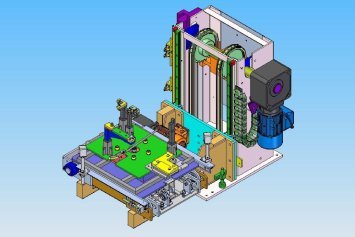
Automotive manufacturing involves the continuous movement of heavy components, assemblies, tools, and finished products across multiple production stages. From engine assembly and body shop operations to warehousing and final inspection, maintaining efficient material flow is essential for ensuring productivity and operational consistency. In this environment, material handling lifting equipment plays a critical role in supporting safe, controlled, and efficient movement of components throughout the manufacturing facility.
Material handling lifting equipment includes systems such as hoists, cranes, lift tables, manipulators, stackers, and hydraulic lifting solutions that assist in lifting, positioning, transferring, and holding components during production processes. These systems help automotive manufacturers improve efficiency while reducing manual handling risks and operational delays.
Supporting Efficient Material Movement Across Automotive Facilities
Efficient material movement is essential in automotive manufacturing environments where thousands of components must be transferred accurately between different production stages. Material handling lifting equipment ensures smooth movement of heavy parts, assemblies, and tools while maintaining workflow consistency.
By improving the speed and accuracy of internal material transportation, these systems help manufacturers reduce production interruptions and maintain a continuous manufacturing process.
Improving Assembly Line Productivity
Automotive assembly lines operate according to strict takt time requirements, where every workstation must complete tasks within a defined production cycle. Delays in material handling can disrupt the entire production flow and reduce overall throughput.
Material handling lifting equipment helps maintain assembly line efficiency by ensuring that heavy components such as engines, doors, chassis structures, battery packs, and dashboards are delivered accurately and on time to each workstation. Lift assists and positioning equipment enable operators to handle components quickly and safely without interrupting production rhythm.
By reducing the time required for lifting and positioning operations, these systems help maintain continuous workflow and support higher production output.
Enhancing Worker Safety and Ergonomics
Automotive manufacturing requires frequent handling of heavy and bulky components. Manual lifting not only slows down operations but also increases the risk of operator fatigue, workplace injuries, and inconsistent handling practices.
Material handling lifting equipment improves workplace ergonomics by minimizing repetitive strain and reducing physical effort. Equipment such as vacuum lifters, manipulators, and ergonomic lifting stations allows operators to position parts with greater precision while maintaining comfortable working postures.
This contributes to a safer work environment while also improving operator productivity and reducing downtime caused by workplace injuries.
Supporting Engine and Powertrain Handling
Powertrain components such as engines, transmissions, axles, and electric vehicle battery modules require precise and controlled movement during assembly operations. These components are often heavy, sensitive to impact, and critical to vehicle performance.
Material handling lifting equipment enables accurate lifting and positioning of these components during installation and testing processes. Controlled movement reduces the risk of product damage and ensures proper alignment during assembly. This is especially important in modern automotive facilities where precision and consistency directly affect product quality.
Enabling Seamless Interfacing with Automated Systems
Modern automotive plants rely heavily on automation and synchronized production systems. Conveyor systems, robotic workstations, inspection stations, and automated storage systems must all work together efficiently to maintain production flow.
Material handling lifting equipment supports smooth interfacing between these systems by enabling controlled transfer of materials and assemblies between production stages. Proper integration helps prevent bottlenecks, improves traffic management within the facility, and ensures that products move efficiently across the manufacturing line.
This coordinated operation becomes increasingly important in high-volume automotive production environments where even small disruptions can affect overall throughput.
Supporting Warehousing and Logistics Operations
In addition to assembly applications, material handling lifting equipment also supports warehousing and internal logistics functions within automotive facilities. Components, pallets, dies, and spare parts must often be lifted, stacked, and transported between storage locations and production areas.
Lifting systems help improve storage efficiency while reducing manual handling requirements within warehouses and logistics zones. This supports faster material availability and smoother coordination between production and inventory operations.
Assisting Maintenance and Tool Handling Activities
Automotive manufacturing facilities require regular maintenance of production machinery, tooling systems, and assembly equipment. Material handling lifting equipment is widely used during machine servicing, die changes, fixture replacement, and maintenance operations.
Reliable lifting solutions help maintenance teams handle heavy tools and machine components safely while reducing equipment downtime and improving maintenance efficiency.
Conclusion
Material handling lifting equipment plays a crucial role in automotive manufacturing by improving production efficiency, enhancing worker safety, supporting precise component handling, and enabling smooth coordination between automated systems.
From assembly line operations and powertrain handling to warehousing and maintenance support, these systems help automotive manufacturers maintain reliable, safe, and high-throughput production environments. By integrating advanced lifting solutions, automotive facilities can achieve improved productivity, better ergonomics, and long-term operational reliability.


Leave a Reply