 Address:

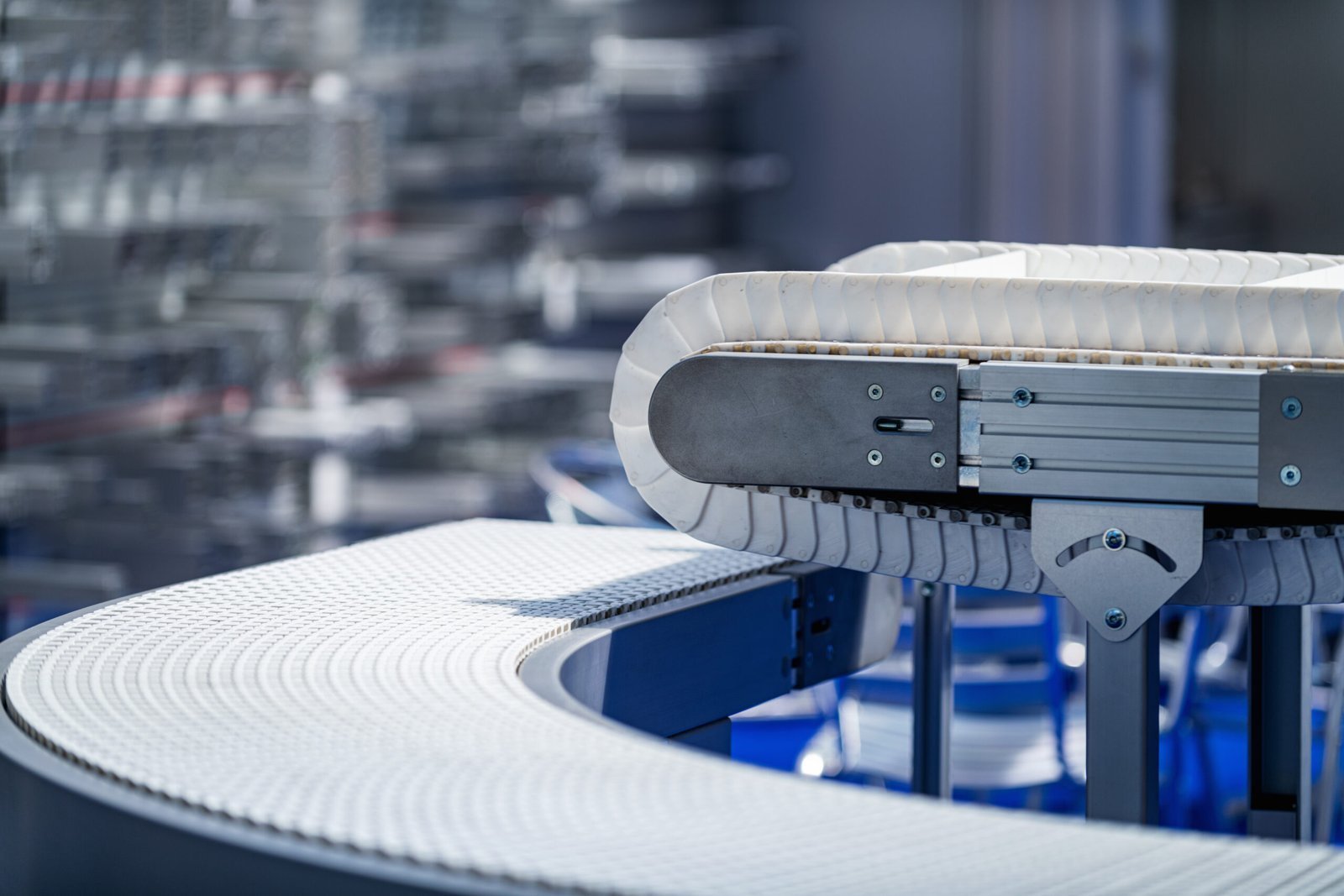

As industries become increasingly interconnected, manufacturing facilities are expected to operate with high levels of efficiency, reliability, and consistency. Material handling systems play a critical role in supporting these operations, particularly in industries such as automotive manufacturing, tire production, warehousing, logistics, and heavy industrial processing. In such environments, the ability of a conveyor system manufacturer to meet global quality standards is essential for ensuring dependable performance and long-term operational efficiency.
Meeting international expectations requires more than simply supplying conveyor equipment. It involves strong engineering capabilities, rigorous quality control processes, and the ability to design systems that integrate seamlessly with modern industrial operations.
Engineering Design Aligned with Global Industrial Requirements
A key factor in achieving global quality standards is the engineering approach used during the design stage. A professional conveyor system manufacturer begins by carefully evaluating operational parameters such as load characteristics, conveyor length, speed, takt time requirements, and facility layout.
Modern manufacturing facilities rely on synchronized production lines where multiple systems must work together efficiently. Conveyor systems therefore need to interface smoothly with robotic workstations, assembly lines, palletizers, storage systems, and automated inspection equipment. Proper design ensures that conveyors support consistent material flow without disrupting production processes.
Traffic management within the facility is another important design consideration. Efficient conveyor layouts help maintain controlled movement of materials between production zones, reducing congestion and improving overall operational flow.
Use of High-Quality Components and Durable Materials
Meeting global quality benchmarks also depends on the reliability of the components used in the system. Conveyor systems in industrial environments must operate continuously while handling heavy loads and demanding conditions.
A dependable Conveyor System Manufacturer selects high-quality motors, drives, rollers, bearings, and structural components that comply with recognized industrial standards. Durable materials and precision manufacturing help ensure long service life and consistent system performance.
This is particularly important in sectors such as automotive production, tire manufacturing facilities, and large warehousing operations where conveyor systems are expected to operate continuously with minimal downtime.
Integration with Modern Automation Systems
Global manufacturing environments increasingly rely on automation and digital monitoring systems. Conveyor systems must therefore operate as part of a broader production ecosystem rather than as standalone equipment.
An experienced conveyor system manufacturer ensures that conveyors interface effectively with programmable logic controllers (PLCs), sensors, tracking systems, and centralized monitoring platforms. This integration provides real-time visibility of material movement, improves coordination between different production processes, and supports accurate tracking of products throughout the facility.
Automation compatibility also helps maintain production rhythm and ensures that systems can adapt to changes in production volume or workflow requirements.
Focus on Safety and Compliance
Safety remains a critical component of global manufacturing standards. Conveyor systems must be designed with protective features that safeguard operators while maintaining operational efficiency.
A responsible conveyor system manufacturer incorporates safety mechanisms such as emergency stop systems, pull-cord switches, protective guarding, belt monitoring devices, and lockout/tagout provisions. These features help ensure compliance with industrial safety requirements while minimizing the risk of workplace incidents.
Well-designed safety systems also contribute to stable production by preventing disruptions caused by equipment failures or safety-related shutdowns.
Quality Assurance and Testing Processes
Maintaining consistent quality requires structured inspection and testing procedures throughout the manufacturing and installation process. Conveyor systems must be carefully evaluated before deployment to ensure reliable performance under actual operating conditions.
A reliable conveyor system manufacturer performs quality checks on structural components, drive systems, electrical controls, and system functionality. Load testing and operational verification help confirm that the conveyor system performs as intended once installed within the facility.
These procedures reduce the likelihood of operational issues and ensure smooth commissioning.
Conclusion
Meeting global quality standards requires a comprehensive approach that combines strong engineering design, reliable components, automation compatibility, safety-focused systems, and rigorous testing procedures. By following these principles, a capable conveyor system manufacturer can deliver dependable material handling solutions for industries such as automotive, tire manufacturing, warehousing, and large-scale industrial production.
The result is a conveyor system that supports efficient material flow, maintains production stability, and meets the performance expectations of modern industrial operations.


Leave a Reply